Function is a real outcome
The LIFE trial tested whether people retained mobility. That is a concrete healthspan question.
THE CONNECTIONS / 05
Lifespan, function and biological-age estimates are different outcomes. These distinctions change how findings should be read.

Swipe horizontally to explore the diagram at its original size.
The LIFE trial tested whether people retained mobility. That is a concrete healthspan question.
CALERIE changed one pace-of-aging measure without significant changes in two other clocks. No lifespan extension was measured.
NAD-related markers can respond to NMN or NR in small trials. Clinical benefits and longevity remain separate questions.
A number changes in blood or in a statistical clock.
Ask whether mobility, independence or a clinical outcome also improved.
Longer life requires direct long-term evidence, not a conversion from a clock score.
THE PEOPLE
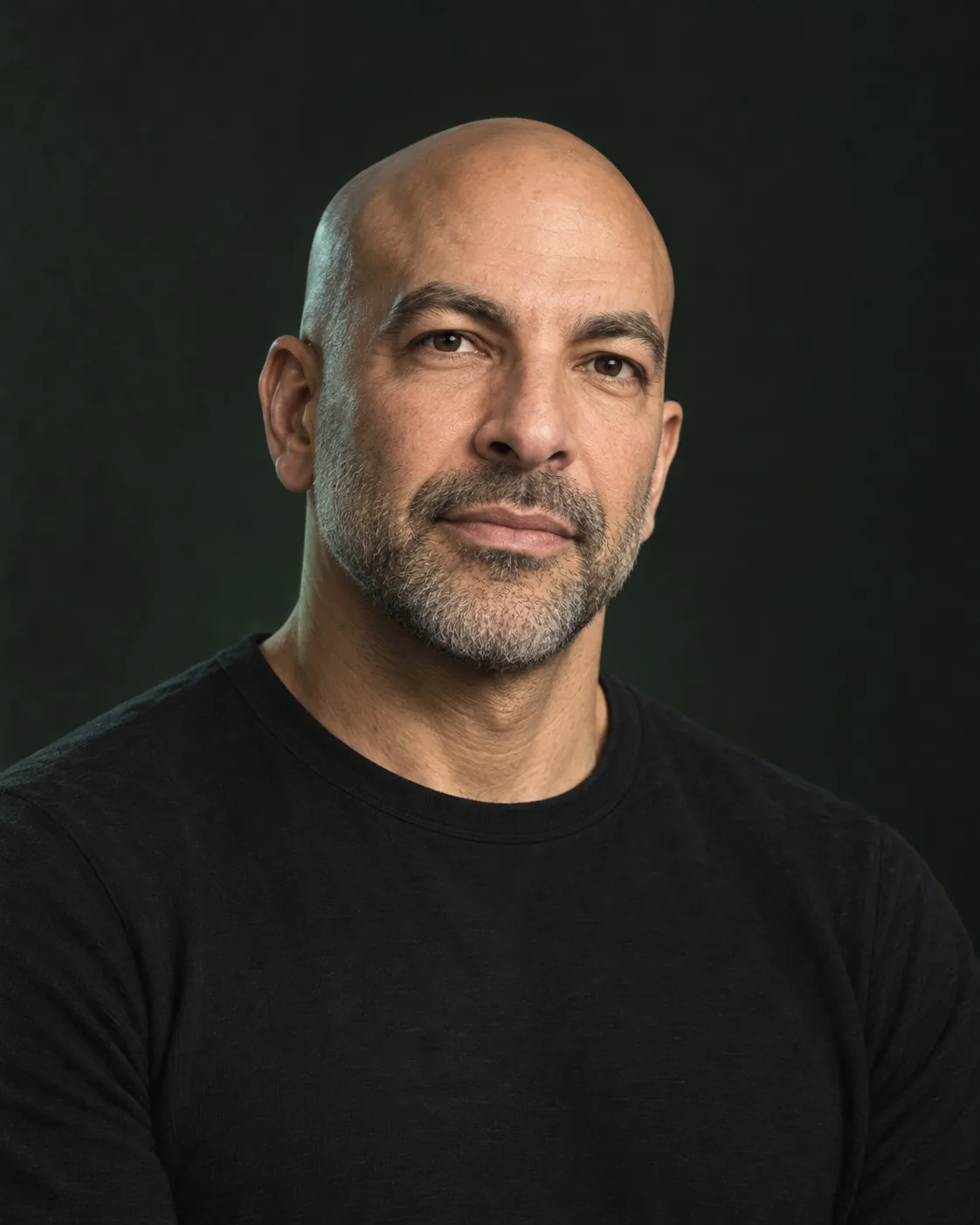
Physician · The Drive
Train for the life you want to keep living.

Entrepreneur · Blueprint
A public experiment in measuring aging.
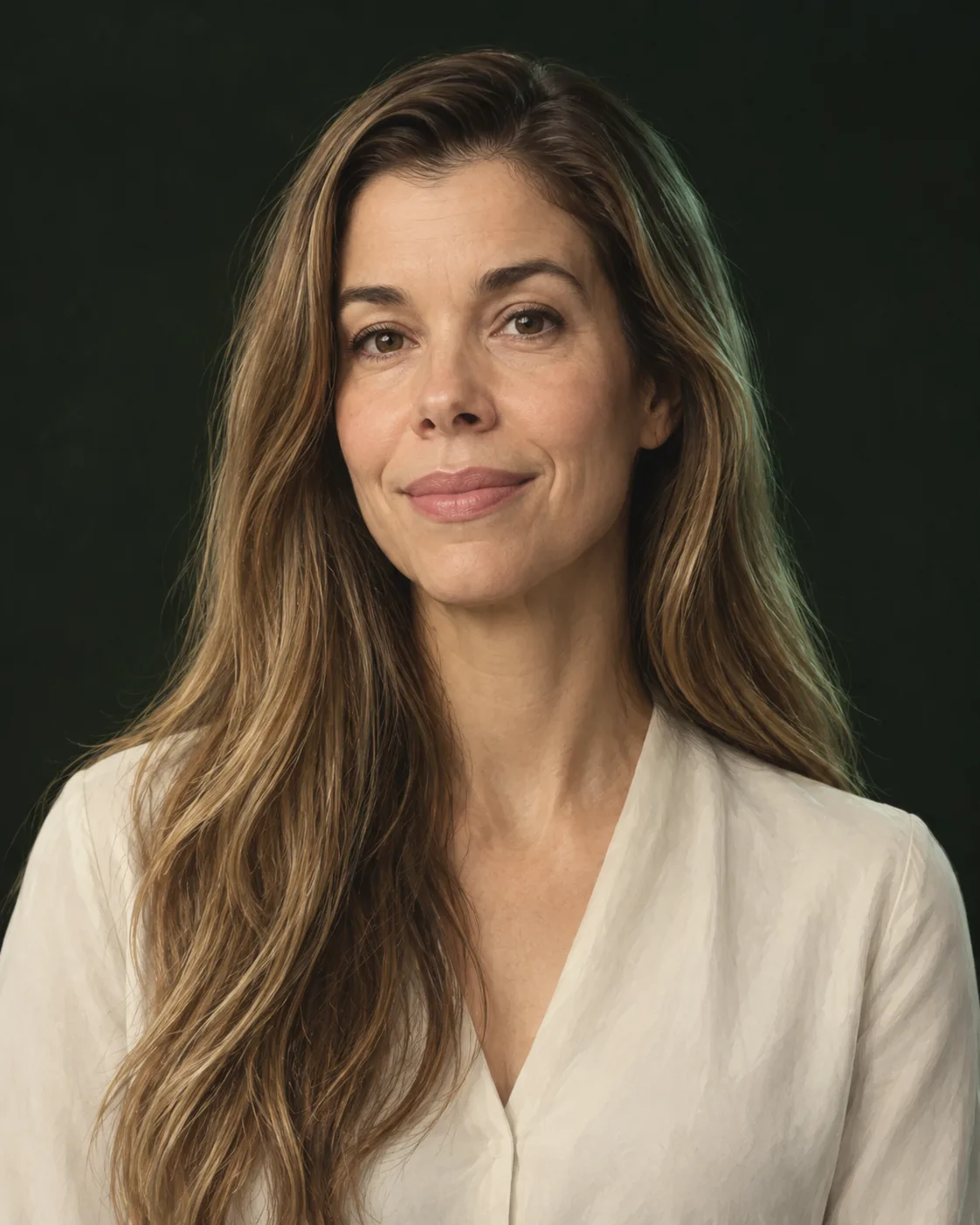
Biomedical scientist · FoundMyFitness
Follow the pathway from nutrient to evidence.
UPSTREAM
A structured activity program reduced major mobility disability compared with health education over about 2.6 years.
Higher measured fitness was associated with lower subsequent all-cause mortality.
Calorie restriction modestly changed DunedinPACE, while PhenoAge and GrimAge did not show significant intervention effects.
NMN improved muscle insulin sensitivity; several other metabolic measures did not change.
NR increased NAD-related measures and was tolerated during this short trial.
Mediterranean dietary interventions had fewer major cardiovascular events than advice to reduce fat.
RESEARCH & LEARNING
Longer life, preserved ability and a younger laboratory estimate are different goals. A function-centered view connects longevity research to mobility, decisions, relationships and an accessible environment.
Understand the ACHIEVE trial’s overall result and its prespecified subgroup difference, then connect hearing to conversation, safety and participation in ordinary life.
Screening tests, diagnostic follow-up and health outcomes are different stages. Learn false positives, overdiagnosis and lead-time bias through clearly labelled examples and a dated US guideline.