Allow enough time
NHLBI gives 7–9 hours as the usual adult range, with room for individual and recovery needs.
THE CONNECTIONS / 03
Sleep sits at the meeting point of time, light and daily routines. A supplement cannot describe that whole system.

Swipe horizontally to explore the diagram at its original size.
NHLBI gives 7–9 hours as the usual adult range, with room for individual and recovery needs.
Light helps synchronize circadian clocks. Regular timing and a suitable bedroom are concrete foundations.
A trial linked sleep extension with lower energy intake in short sleepers. It did not prove long-term weight loss.
Light and dark are environmental timing cues, not a universal minute-by-minute protocol.
Consider timing, sleep opportunity and the sleeping environment together.
Persistent difficulties deserve assessment; a wearable score cannot diagnose them.
THE PEOPLE
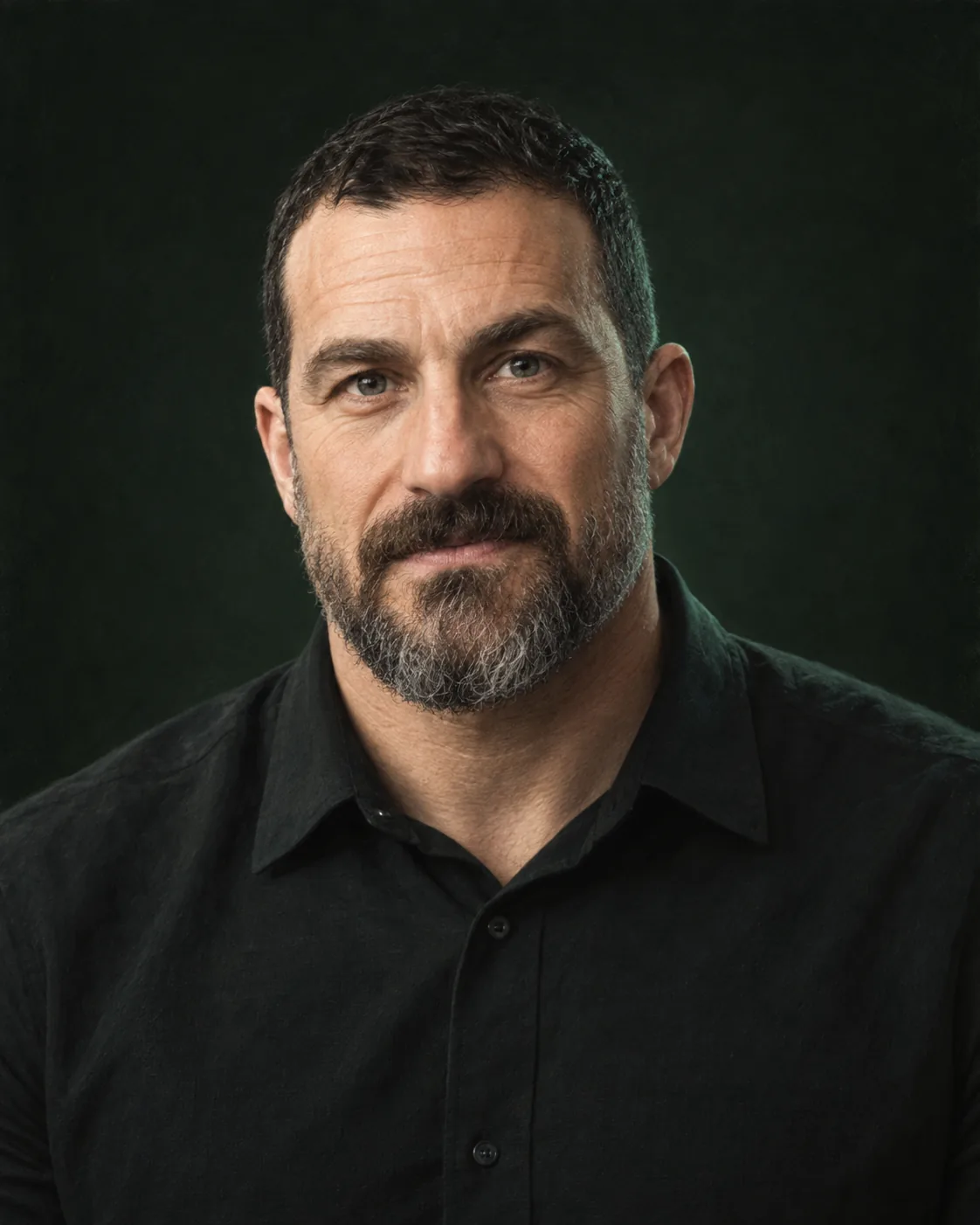
Neuroscientist · Huberman Lab
Understand the mechanism. Examine the protocol.

Physician · The Drive
Train for the life you want to keep living.

Entrepreneur · Blueprint
A public experiment in measuring aging.
UPSTREAM
Most adults are advised to allow 7–9 hours of sleep per night.
Regular timing, a quiet dark room and attention to caffeine and evening light support sleep habits.
Light synchronizes circadian clocks; sleep need also builds during wakefulness, with adenosine involved in this process.
Sleep-extension counseling increased sleep and reduced measured energy intake during a two-week intervention.
Pooled trials suggested shorter sleep-onset time, with uncertain effects on total sleep time.
RESEARCH & LEARNING
Separate biological timing, time available for sleep, and the demands of work. A useful shift-work plan includes the commute and the household, not only the bedroom.
Compare a clinical treatment package with general habits without turning either into a do-it-yourself prescription.
Learn the boundary between a symptom description, consumer feedback and a diagnostic assessment.